Application review
Product and package samples guide the filling method and change parts.
A configurable filling platform for free-flowing and viscous liquids, designed around your product behavior, container format, output target and connected packaging operations.
Share product and package details for a configuration review.
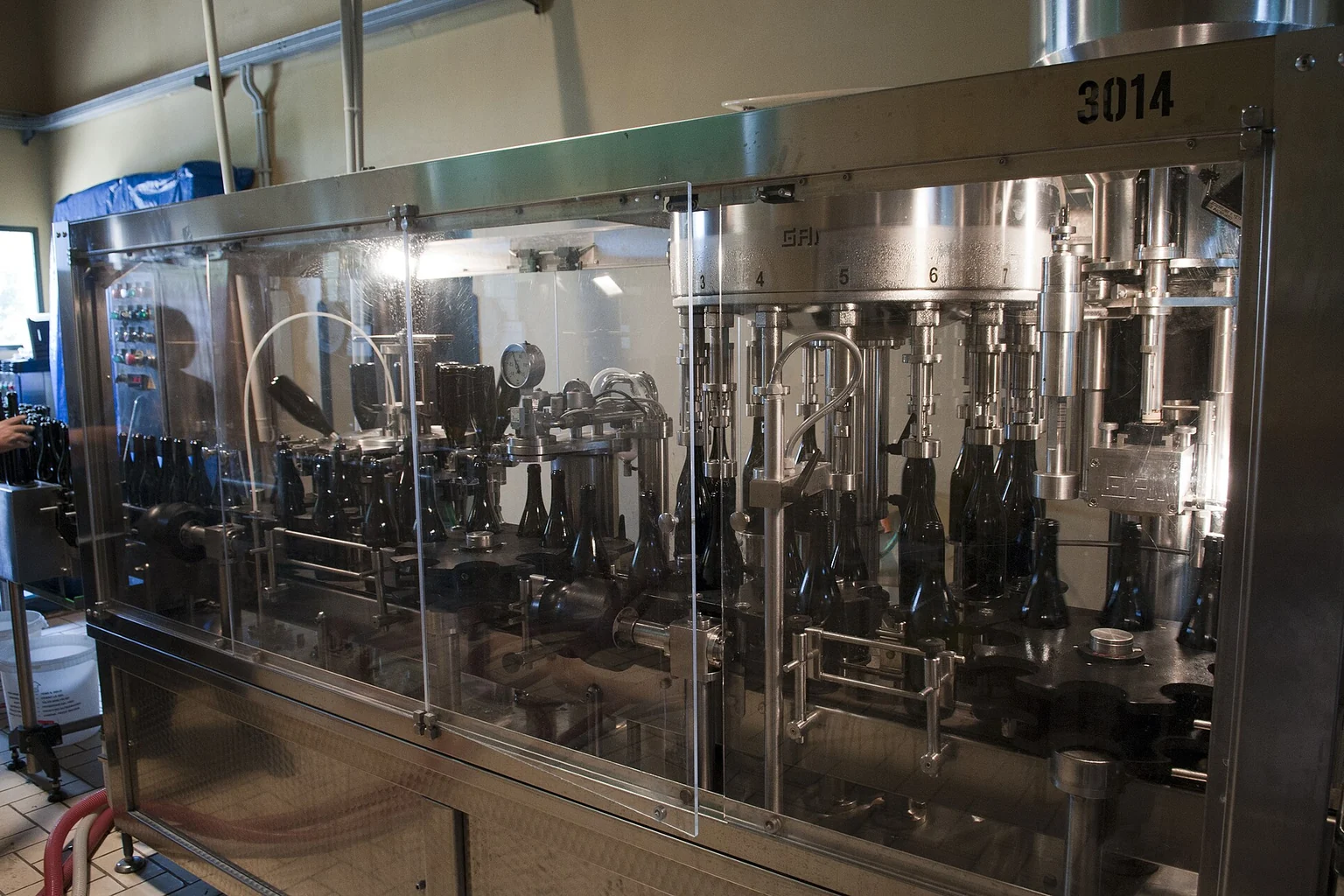
Product and package samples guide the filling method and change parts.
Filling, capping, labeling, inspection and packing can be planned together.
Acceptance criteria can be agreed around representative materials and formats.
Documentation, installation scope, training and spare parts are defined in the proposal.
Liquid filling performance depends on more than a target volume. Viscosity, foaming, particles, temperature, bottle stability and cleaning requirements influence the dosing system, nozzle design and product path.
DST reviews these inputs together with target output and downstream operations to propose a practical standalone filler or integrated packaging line. Final specifications are confirmed after product and package evaluation.
Representative industry images show common use contexts and do not identify DST customer sites.
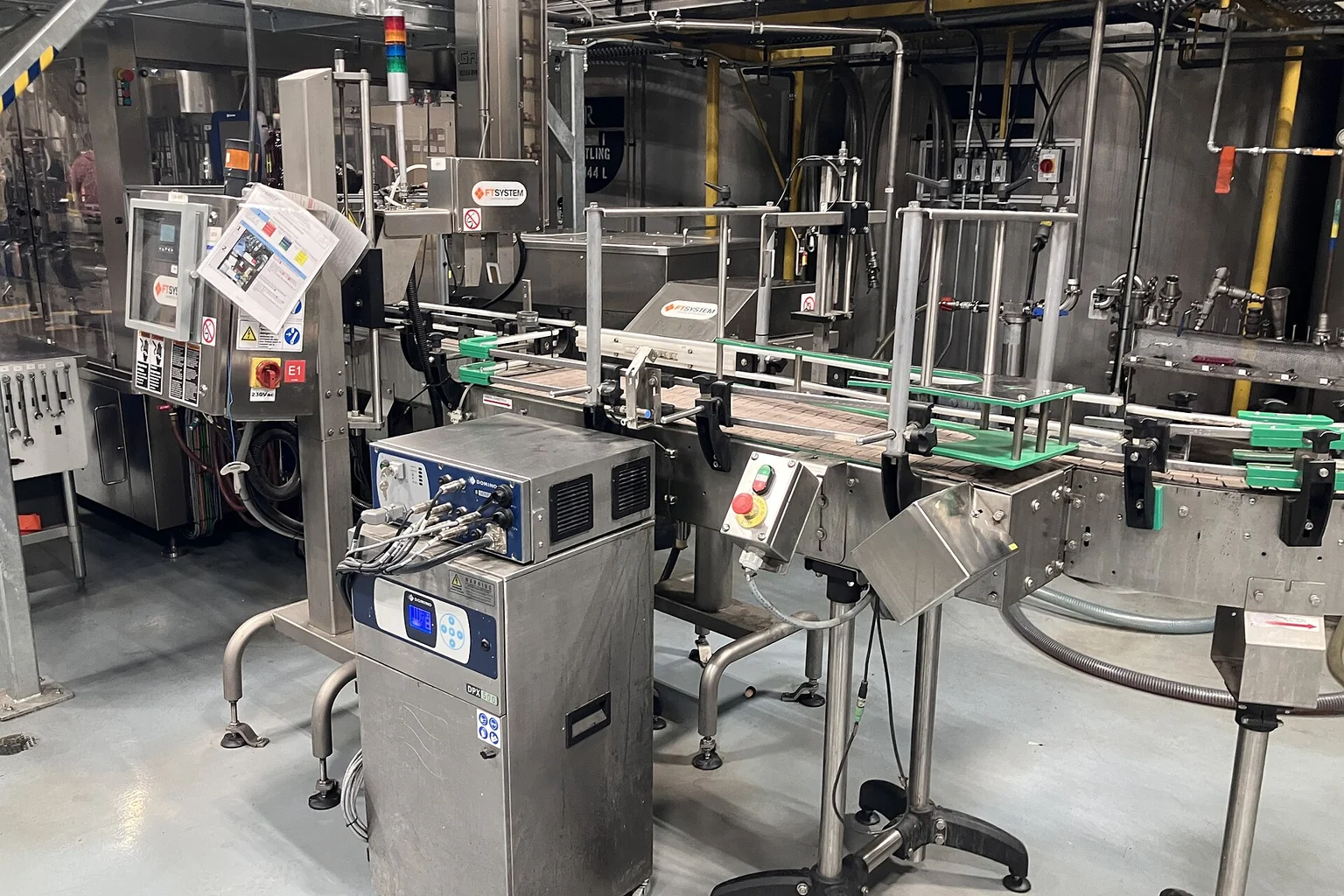
Plan product supply, dosing, clean cutoff, bottle handling and hygienic access around the actual liquid and cleaning method.
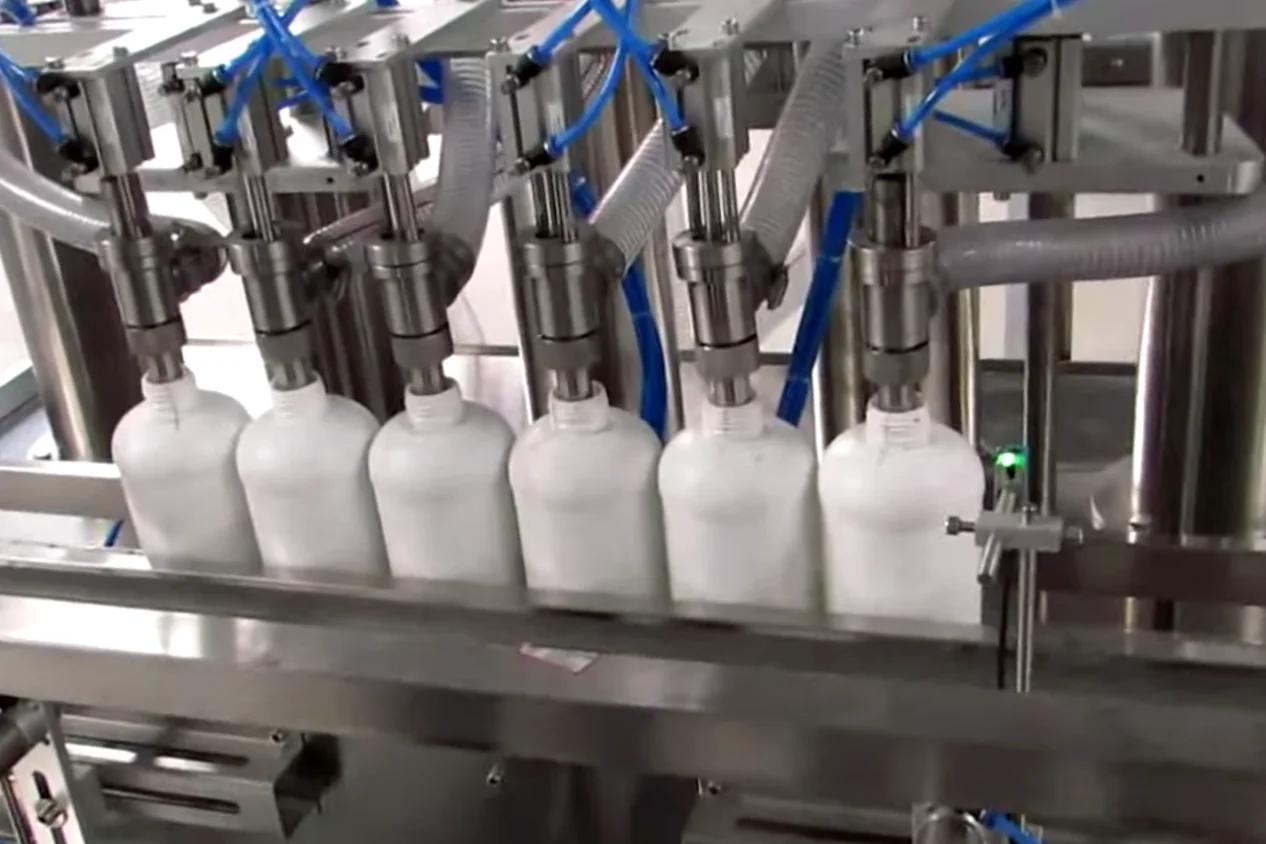
Match the filling principle and nozzle movement to foam, viscosity, fragrance carryover and container stability.
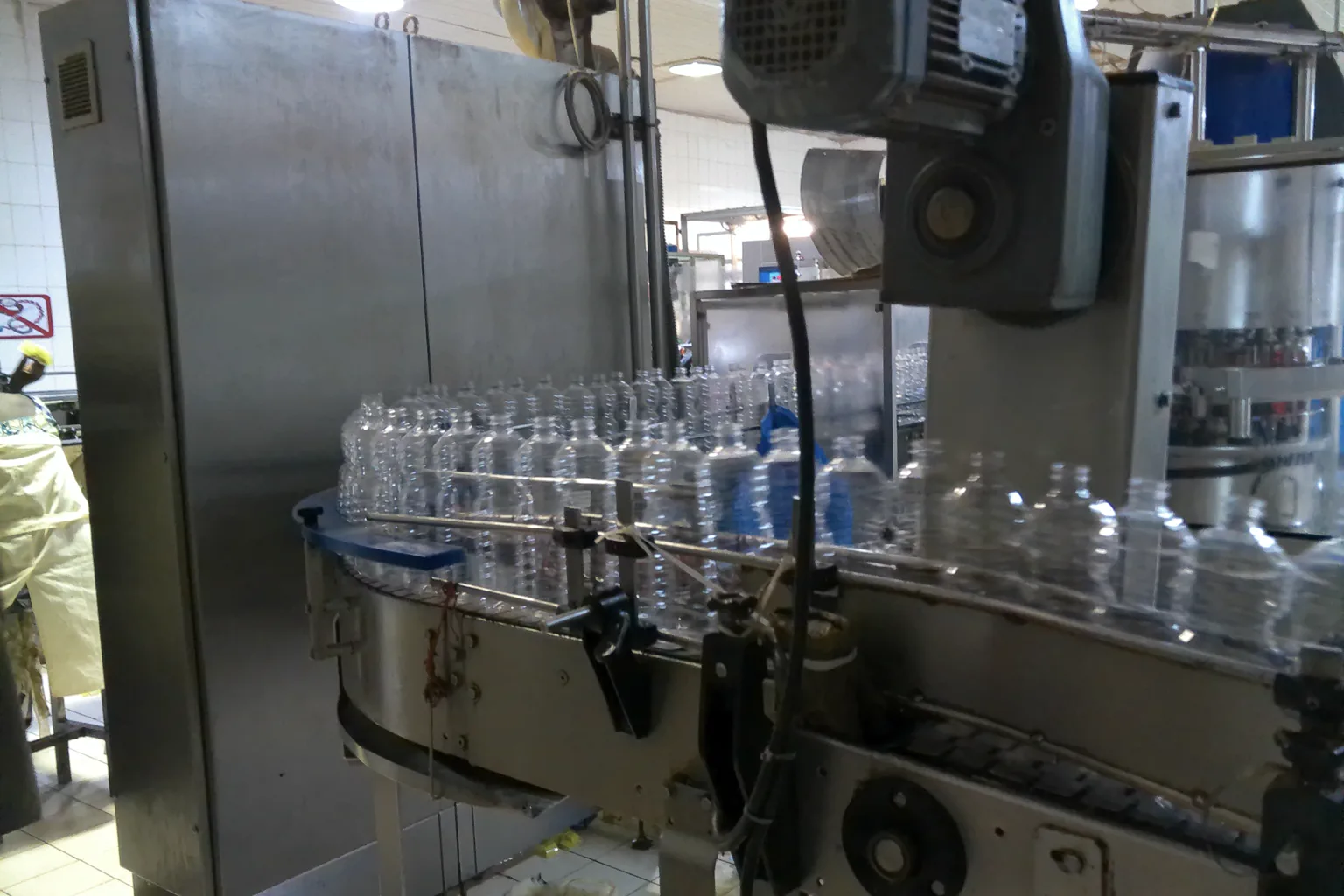
Coordinate filling with conveying, capping, labeling, coding, inspection and accumulation for stable line flow.
Final values depend on the product, container, output target and approved project scope.
These drawings represent common container families. Final compatibility depends on dimensions, material, stability, closure and required output.
PET, HDPE or glass formats
Stable flat-sided containers
Personal-care and dispenser packs
Wide-mouth rigid containers
Handled industrial containers
Larger-volume rigid packs
Selected viscous-product formats
Flexible packs after evaluation
Present stable containers at the required spacing and orientation.
Control bottle pitch beneath the selected filling nozzles.
Dose the product with the approved filling principle and cutoff method.
Connect capping, sealing, coding and labeling as required.
Add defined fill, cap, label, code or reject checks where needed.
Accumulate, pack, case or palletize finished containers to scope.
Tank, pump, valves, pipework and dosing method are selected for product behavior and cleaning.
Nozzle geometry, movement and suck-back are evaluated for foam, dripping and container neck access.
Guides, stops, timing devices and conveyors support repeatable positioning across approved formats.
Controls, recipes, alarms, interlocks and integration signals are matched to the line scope.
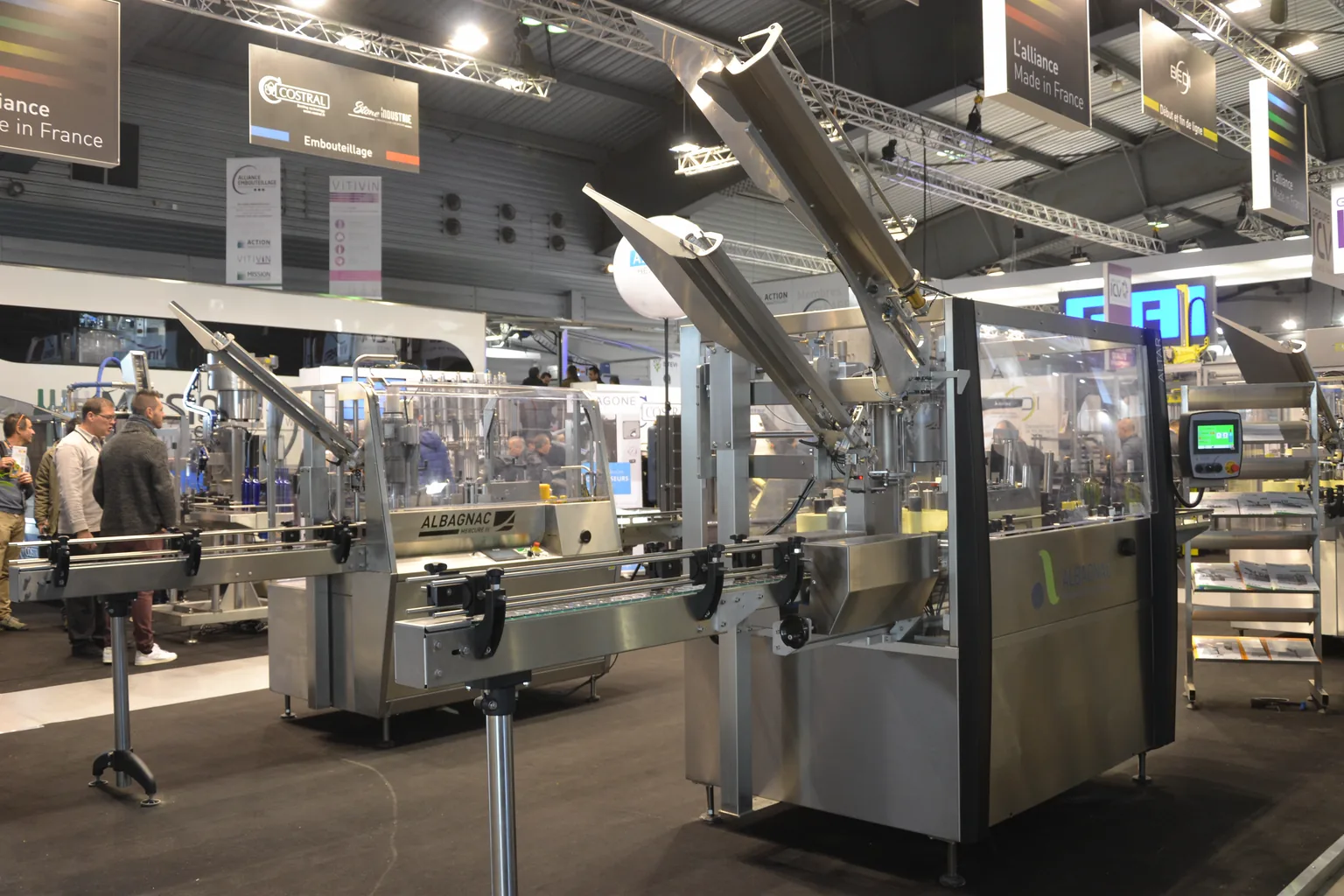
A useful factory acceptance test defines the tested product or substitute, package format, run conditions, sampling method, quality checks and open-item process before the equipment is shipped.
Final answers are confirmed in the approved technical proposal.
The choice depends on viscosity, density, temperature, foaming, particles, fill range, accuracy target and cleaning requirements. Representative product and packaging samples should be evaluated before the final method is confirmed.
Multiple formats can be supported when the handling system, nozzles and change parts are designed for the approved range. Provide samples and expected changeover frequency so the adjustment method can be planned.
Yes. Bottle feeding, capping, sealing, labeling, coding, inspection, conveying and end-of-line modules can be configured as one line when interfaces and accumulation are defined together.
Provide product data and samples, bottles, caps, labels, fill sizes, target good output, utilities, layout, destination market and required acceptance criteria.
The test scope can include format setup, filling trials, output and quality sampling, alarms and interlocks, supplied options, documentation and a written punch list using agreed materials and conditions.
Share your product, bottle, fill range, target output and factory layout. DST will review the inputs and prepare a practical equipment configuration.


